
POSH Sensitization Session for Staff by Dr. Meeta Seta
Building a Safer Campus: Hinduja College Hosts POSH Awareness Session
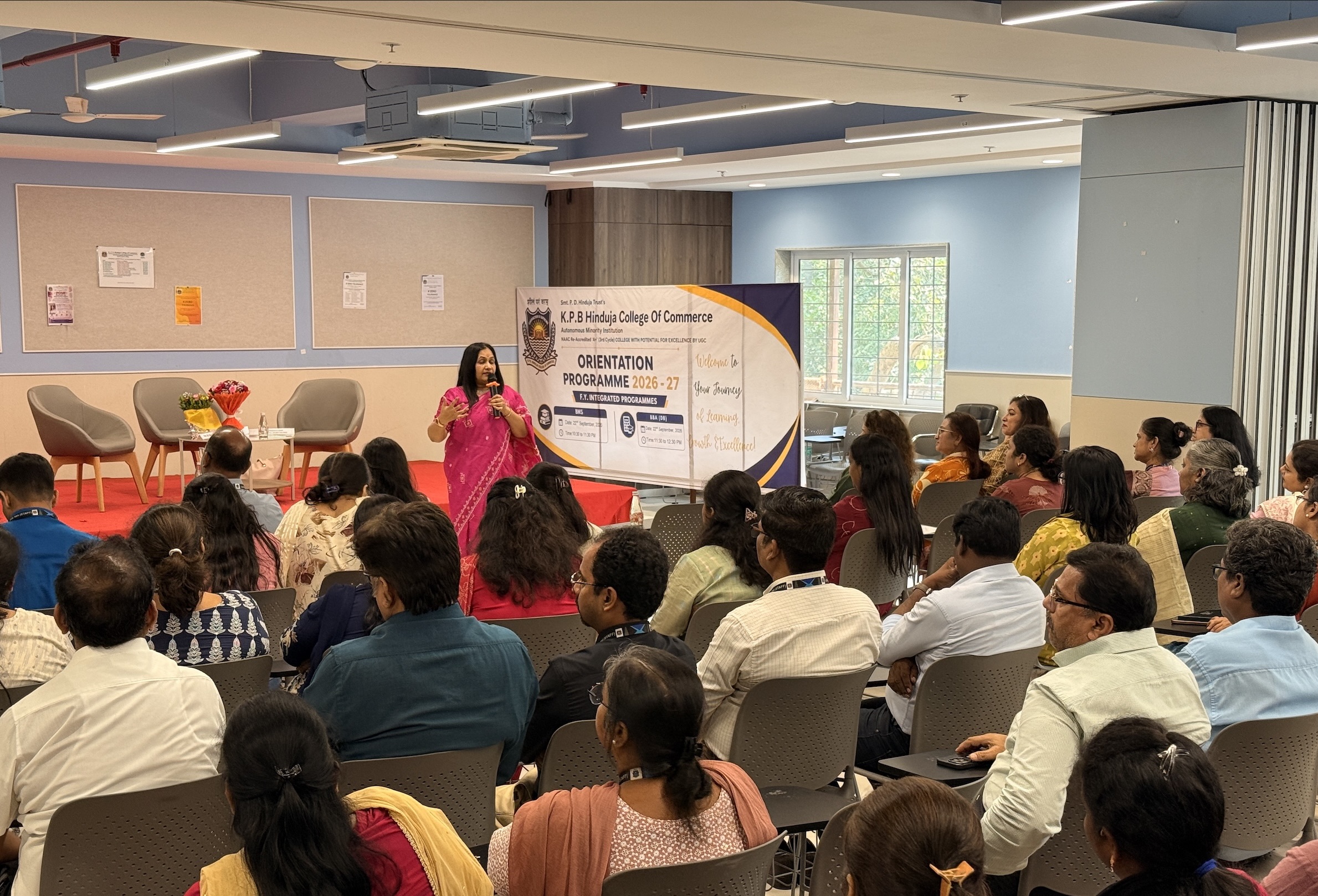
A safe workplace doesn’t happen on its own. It takes continuous conversation, honest reflection, and a willingness to keep learning. That’s exactly what brought 81 of our teaching and non-teaching staff, across both Degree and Junior College, into Room Nos. 21 and 22 on 1st October 2026, for a POSH Awareness and Sensitization Session organised by our IQAC and Internal Committee.
Why We Made Time for This Conversation
The session wasn’t a box-ticking exercise. It was designed to deepen understanding of the Prevention of Sexual Harassment of Women at Workplace (PoSH) Act, 2013, and the UGC’s 2015 Regulations, while reinforcing something our institution holds close: that dignity and respect belong at the centre of everyday professional life, not on the margins of it.
Learning From an Experienced Voice
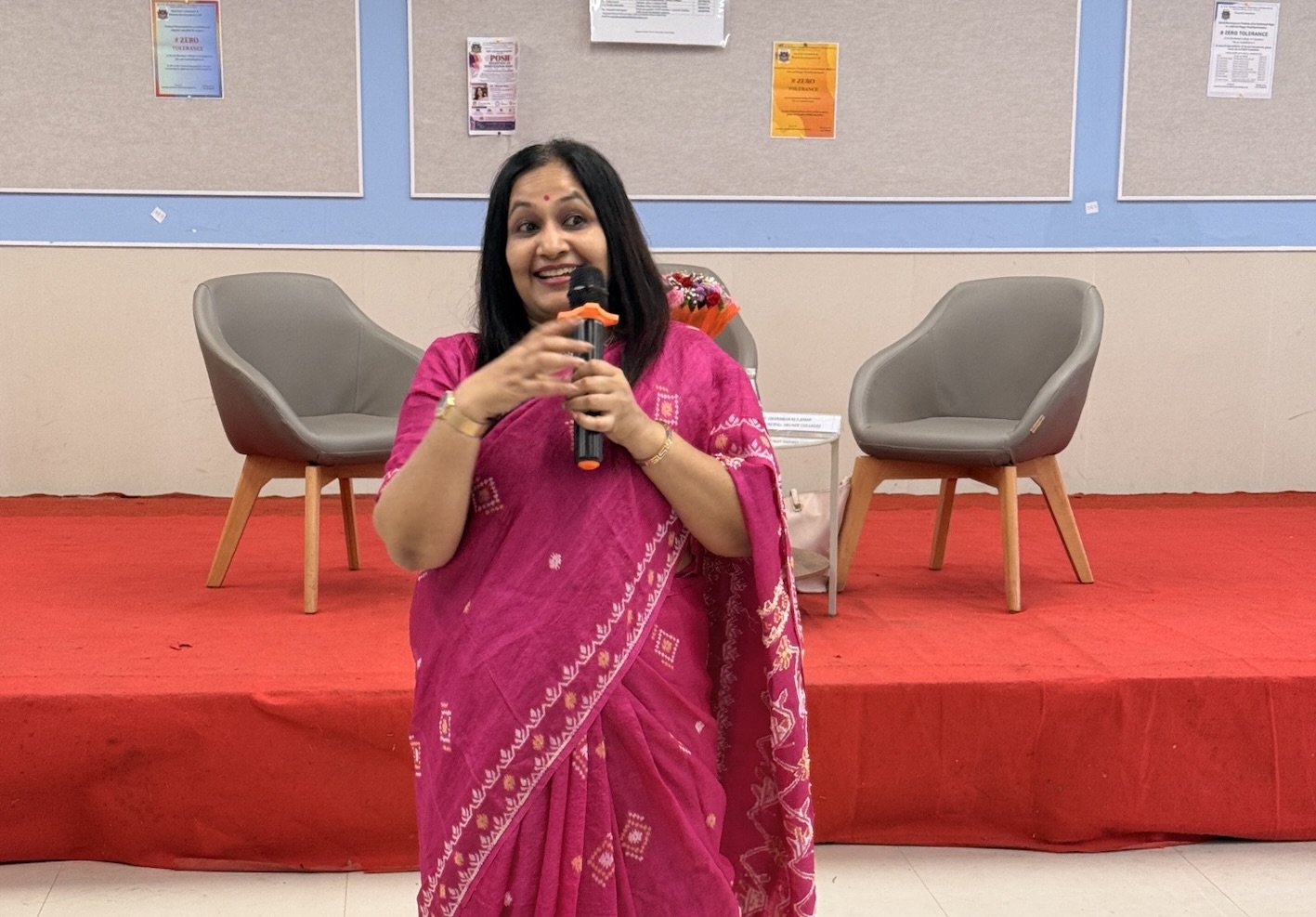
Leading the session was Dr. Meeta Seta, Principal In-Charge at Patuck-Gala College of Commerce & Management, Mumbai. With over two decades in higher education and a background in Human Resource Management and Organisational Behaviour, she brought both legal clarity and practical insight, speaking as both a seasoned POSH trainer and an External Member of Internal Committees.
Understanding Where the Law Came From
Dr. Seta began by tracing how India’s POSH framework came to exist, from the 1992 Bhanwari Devi case through the landmark Vishaka v. State of Rajasthan judgment in 1997, to the national reckoning after the 2012 Nirbhaya case that ultimately shaped the 2013 Act. Understanding that history, she explained, helps staff see POSH not as paperwork, but as the result of a long, hard-won push for safer workplaces.
Beyond the Legal Checklist
A recurring theme was that compliance alone isn’t the goal. Real change comes from a workplace culture built on awareness, sensitivity and accountability, where staff recognise inappropriate behaviour early and understand professional boundaries instinctively, not just when a policy document says so.
What Counts, and Why Intent Isn’t Everything
The session unpacked the different forms sexual harassment can take, from quid pro quo situations to a broader hostile work environment, and extended the discussion to the idea of an “extended workplace,” where professional interactions outside campus premises can still fall under institutional responsibility. One point stood out: the absence of intent to cause harm doesn’t automatically excuse conduct that causes it. Staff were encouraged to stay mindful of how their words and actions land, not just how they’re meant.
Knowing the Process, and Where to Turn
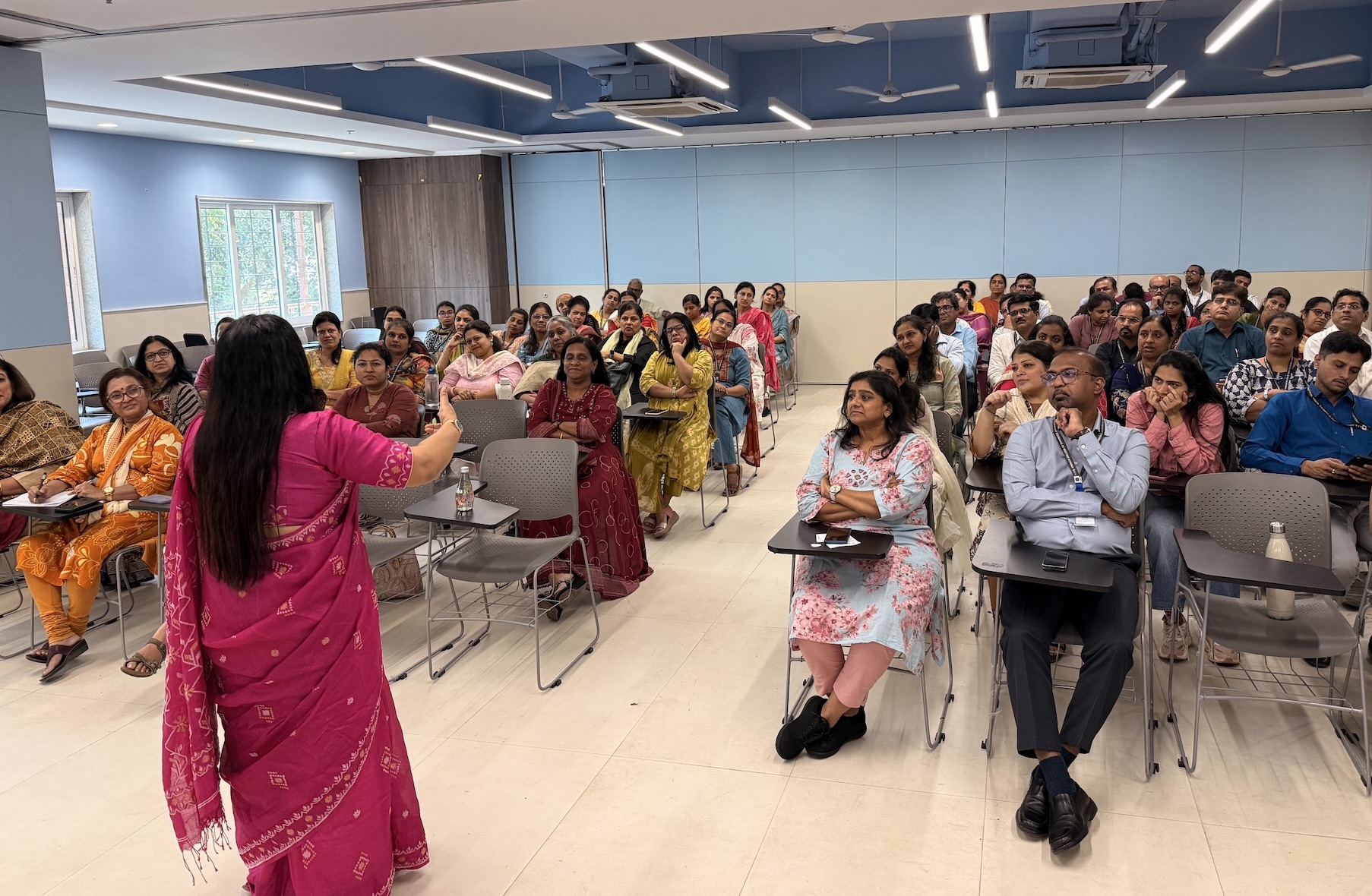
Staff also walked through how the Internal Committee functions: how complaints are received, examined for jurisdiction, and handled through a fair, confidential inquiry process rooted in natural justice. The session stressed that the Committee’s policy and composition should be clearly displayed and accessible to everyone on campus, so that every member of the community knows exactly where to turn if needed.
A Shared Responsibility
Gender equality ran through the entire discussion, with a clear reminder that roles and opportunities should rest on competence, not stereotypes. Staff left with a shared understanding: building a safe, inclusive campus isn’t the job of the Internal Committee alone, it’s something every single person on campus helps create through daily choices, conduct and respect.
Carrying the Message Forward
As Dr. Seta put it, the goal is for everyone at Hinduja College to work together in upholding dignity, respect, equality and safety at our workplace. Sessions like this one are a reminder that building that culture is ongoing work, not a one-time milestone.
Have questions about our POSH policy or Internal Committee? Learn more about the Internal Committee at Hinduja College and how to reach out.