
Economics in Everyday Life - Our Elocution Competition
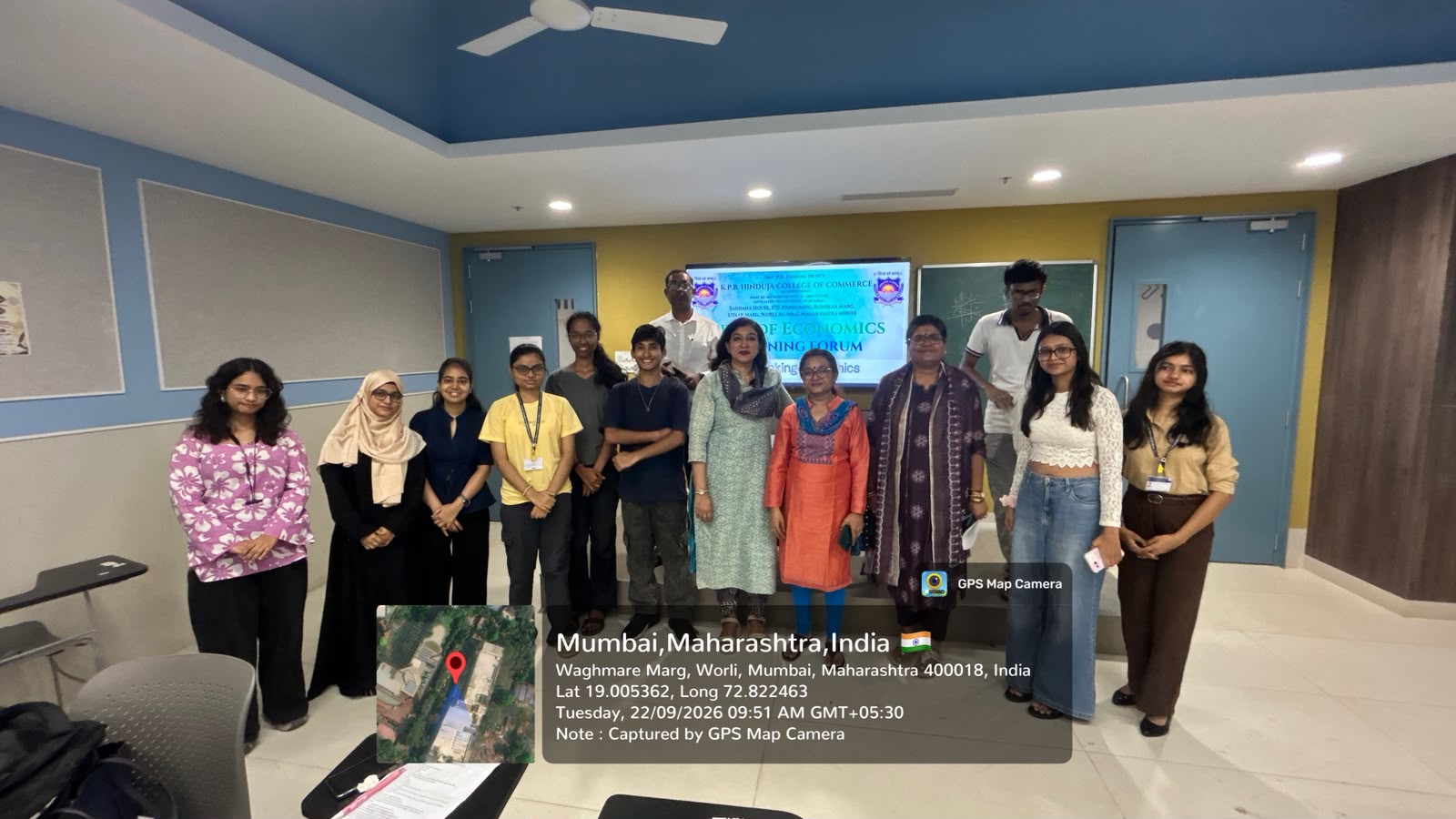
Economics isn’t just graphs and theory confined to a textbook. It shapes the choices we make every single day, and that was exactly the idea our Department of Economics and the Planning Forum wanted students to explore. On 22nd September 2026, at 9:30 am, our campus hosted the Elocution Competition for the academic year 2026–27, giving students a stage to think out loud about the economic forces shaping their world.
Why We Built This Platform
Public speaking is a skill that rarely gets built in a lecture hall alone. It needs a stage, a bit of pressure, and a reason to care about what you’re saying. That’s precisely what this competition offered: a structured opportunity for students to sharpen their communication, practise critical thinking under pressure, and grow more confident presenting a viewpoint in front of an audience that’s genuinely listening.
A Theme Close to Real Life
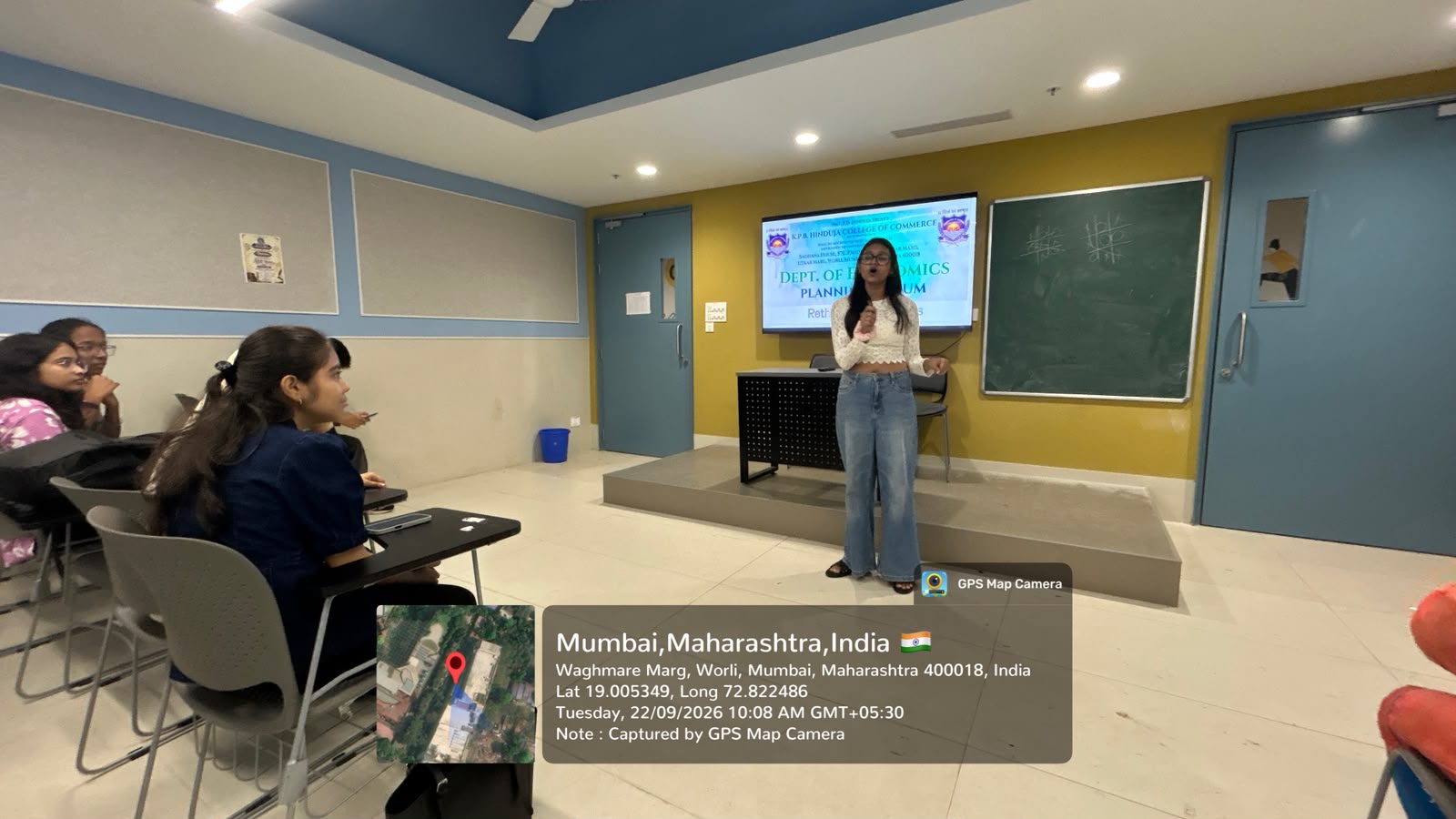
This year’s theme, “Economics in Everyday Life,” pushed students well beyond dry definitions. Participants chose from three topics that are shaping conversations far beyond campus: whether India can become a developed economy by 2047, how artificial intelligence is reshaping the future of jobs, and the role of women’s economic empowerment in driving growth. Each topic demanded more than opinion; it asked students to connect economic theory to the world they’re actually going to inherit.
Speaking Their Minds, in Their Own Language
Every participant had 4 to 5 minutes to make their case, and the competition welcomed speeches in English, Hindi or Marathi. That flexibility mattered. It meant students could express complex economic ideas in whichever language let them argue most persuasively, rather than being boxed into one mode of expression. The result was a range of voices and perspectives, all circling the same big questions from different angles.
More Than a Speaking Contest
What made the morning valuable went beyond the scoring. Students had to read up on contemporary economic issues, form a genuine opinion, and then defend it clearly and logically in front of peers and judges. That combination, research, reasoning and delivery, is exactly the kind of skill that carries well past a competition stage, whether in a job interview, a classroom debate, or a future career built around ideas.
Guided by Experienced Judges
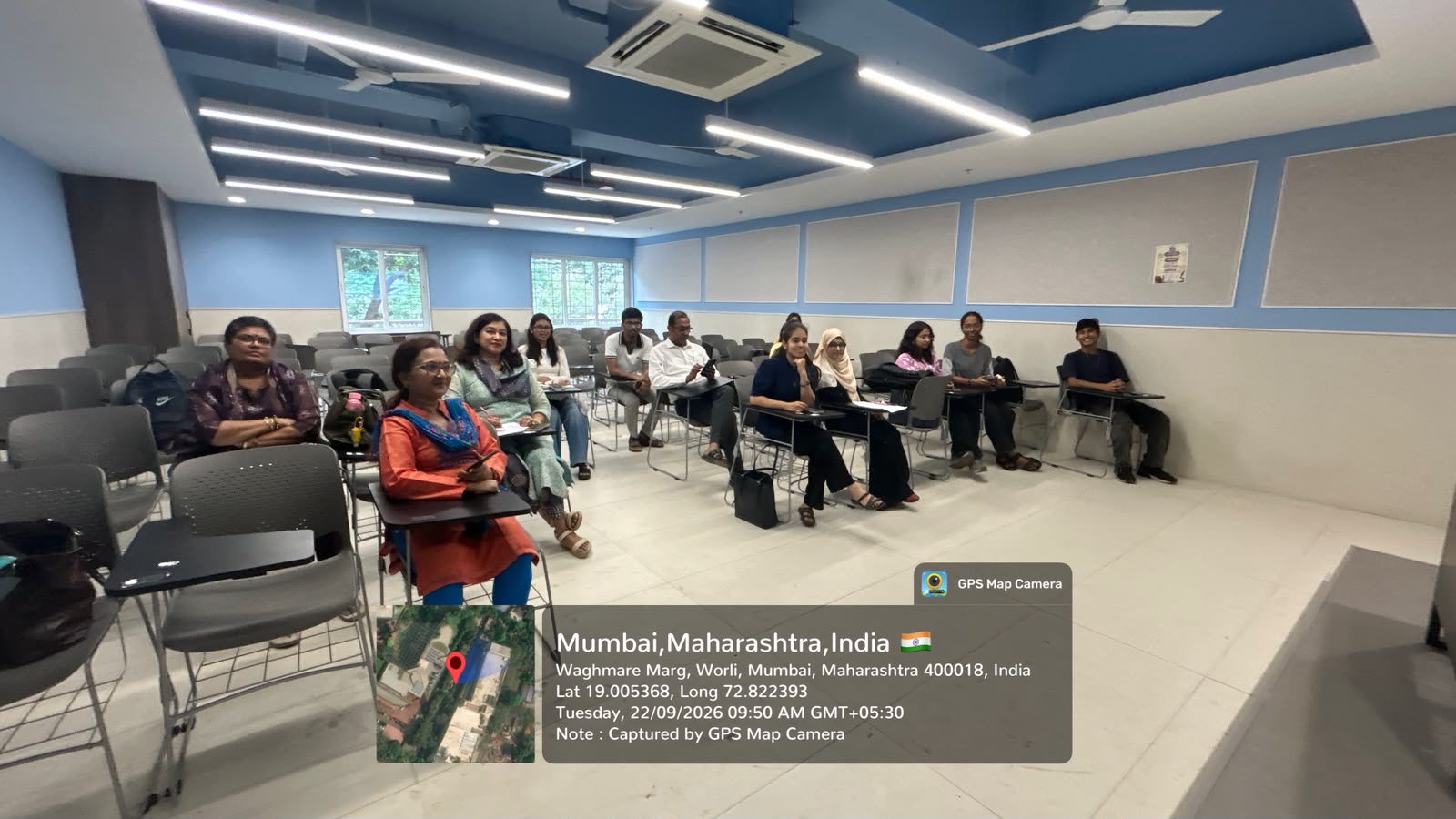
The competition was judged by Dr. Susan Alex and Dr. Jayashree Patil Dake, both from our Department of Economics. Their presence meant students weren’t just being scored on confidence or delivery, but genuinely evaluated on the depth and clarity of their economic reasoning, feedback that pushes participants to think harder the next time they step up to speak.
The Turnout Says It All
Of the 13 students who registered, eight took the stage to compete, each bringing their own take on topics that matter well beyond a classroom. That kind of turnout reflects something we’re proud of at Hinduja College: students who are genuinely curious about the world, and willing to put their thinking on the line in front of an audience.
Building Voices That Carry Forward
Competitions like this one are small in scale but significant in impact. They remind students that economics isn’t an abstract subject reserved for exams, it’s a lens for understanding everyday decisions, national debates and global shifts. Every student who stepped up to speak walked away a little more confident, and a little more equipped to make their voice heard.
Want to be part of the next event? Explore the Department of Economics at Hinduja College to see what’s coming up.