

Hinduja College Rethinks the Classroom for Gen Z at ClassroomNext
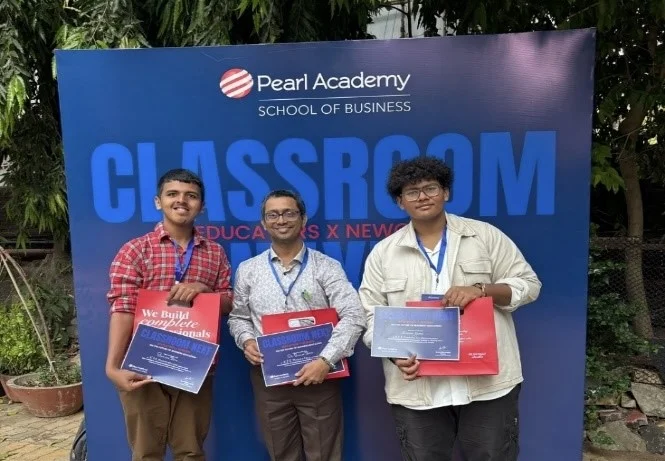
What does a classroom need to look like for students who grew up with smartphones, short videos and AI? That question drove the ClassroomNext Commerce Educators' Summit on 28th October 2026, and Hinduja College took part with a faculty member and two students, so that both sides of the classroom could be heard.
Who Represented the College
Dr. Bharat Aruna Mukundrai Joshi of the Junior College (Aided Section) represented the faculty. Two SYJC students joined him: Pratham Joshi (Aided) and Krishna Tejprakash Gupta (Unaided). Having students at an educators' summit meant the discussion included the voices of the people it was about.
What the Summit Set Out to Do
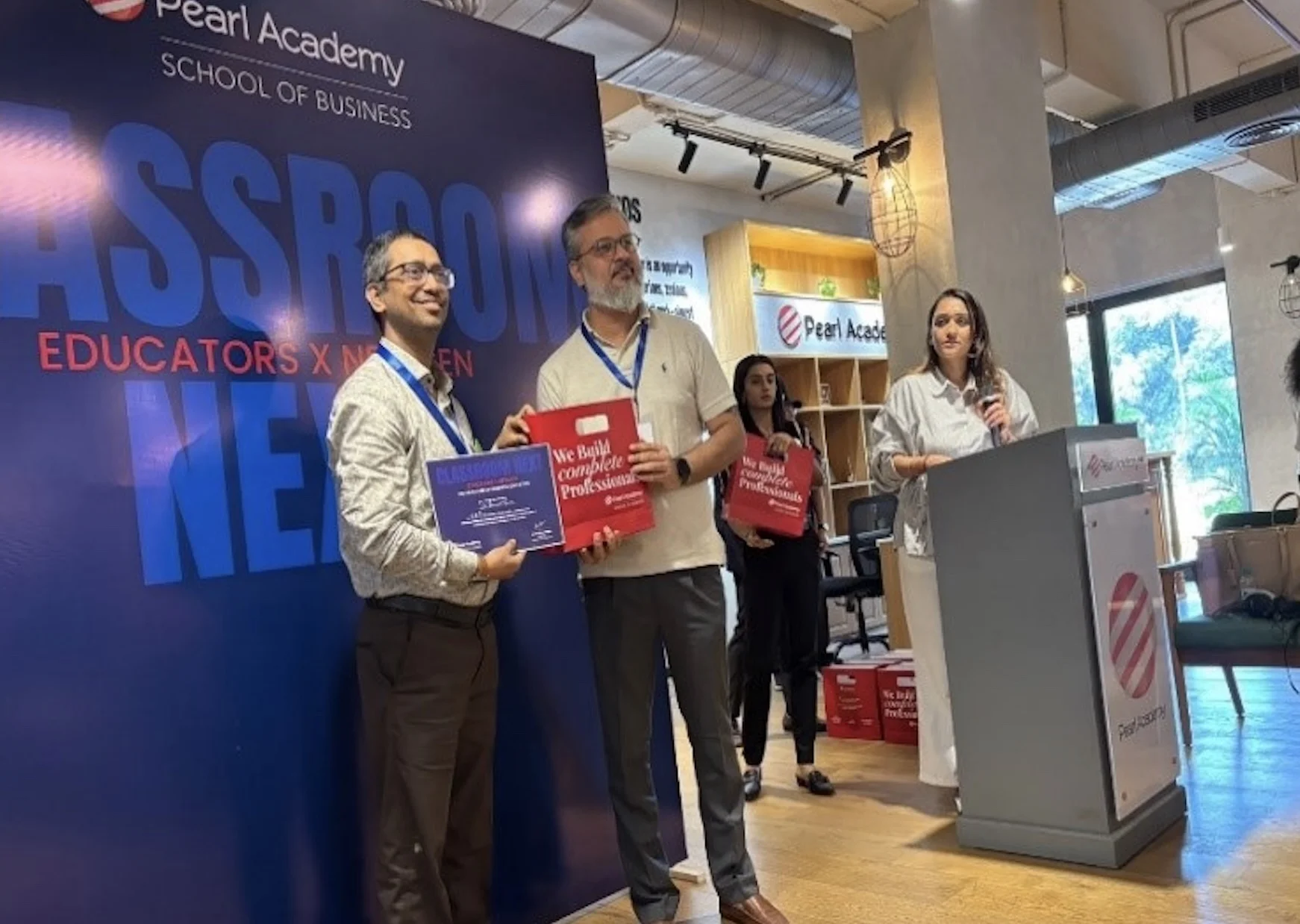
The summit aimed to explore innovative teaching practices and to understand the changing learning needs, expectations and career aspirations of Generation Z. It began with a welcome address by Ms. Neha Sharma. Dr. Amol Vijay Vargiya then spoke about the changes taking place in industry and education, and about the evolving role of teachers as facilitators of learning. He stressed the need to link classroom knowledge to real-world applications and to give students chances to explore careers.
Four Themes at the Round Table
The programme featured round-table discussions on four themes:
- Attention and Engagement
- The Relevance Gap
- Technology and AI in the Classroom
- Motivation and Career Anxiety
The conversations focused on interactive teaching methods, experiential learning, the responsible use of AI, skill development and career readiness.
A Teaching Approach from Hinduja
During the discussions, Dr. Joshi put forward an approach summed up as "Express, Learn, Apply, Create and Teach." It is meant to encourage active student participation, practical application, creativity and peer learning, so that students move from receiving information to using it and passing it on.
What the Students Said
Both students took an active part. Krishna Gupta spoke about the need for practical learning, accurate and precise information and greater exposure to the outside world. Education, he said, should go beyond textbooks and include real-life experience to make it more relevant and useful.
Pratham Joshi talked about understanding economic ideas through real situations instead of only memorising textbook assumptions. Using demand and supply as an example, he noted that students can understand how markets behave by watching real events, such as ticket prices rising when demand is high or falling suddenly. Theory gives the foundation, he said, and real examples show how markets work in everyday life.
What Came Out of It
The summit gave educators and students a shared space to exchange ideas. It reinforced the importance of making commerce education practical, interactive, technology-enabled and career-oriented. The students' contributions also pointed to the gap between theory and real-world application, and the need to close it.
Looking Ahead
For Hinduja College, taking part reflects a student-centred approach to teaching, one that prepares learners with the knowledge, skills and confidence they will need. We thank the organisers for the opportunity, and Dr. Joshi, Pratham and Krishna for representing the college so well.
Want to see more of Hinduja College's academic initiatives? Visit Hinduja College to see what's next.