
Hinduja College Joins the Conversation on Bringing Student Elections Back
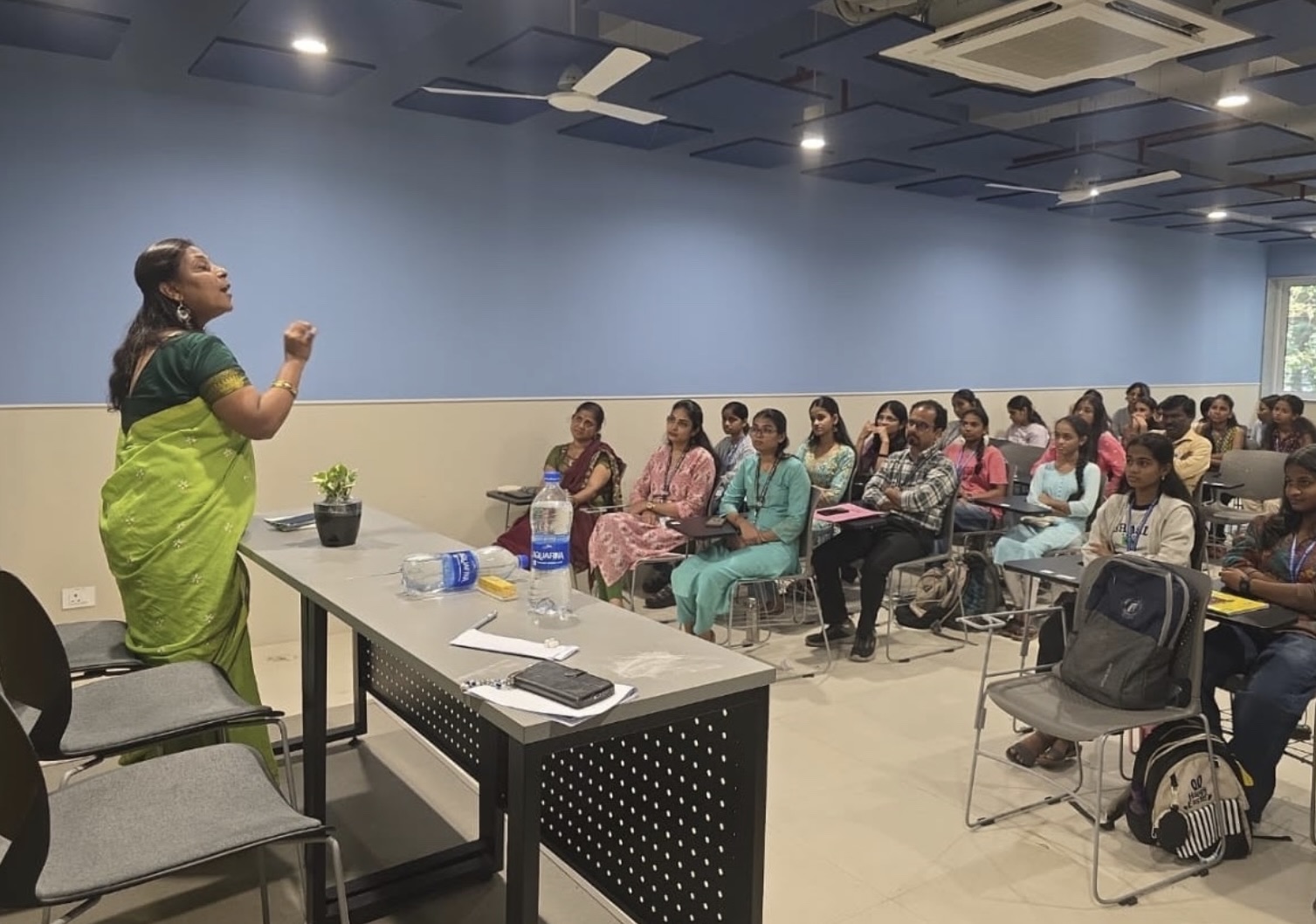
Student elections are one of those ideas almost everyone has an opinion about. Some see them as the best classroom in democracy a college can offer. Others remember why they stopped. On 15th October 2026, Hinduja College took a seat in the room where that debate is being reshaped, joining a stakeholder consultation at the University of Mumbai on how Student Council elections should be run.
Why This Consultation Matters
The Maharashtra government has formed a committee to review how Student Council (Vidyarthi Parishad) elections can be conducted under the Maharashtra Public Universities Act, 2016. The committee is chaired by Prof. Suhas Pednekar, former Vice-Chancellor of the University of Mumbai, with Prin. Ajay Bhamare as a member and Dr. Prasad Karande as Member Secretary. Its meeting, held at 4:30 pm at the Rajiv Gandhi Centre for Contemporary Studies, invited suggestions from principals, teachers and students across Mumbai’s public universities.
Our Voices in the Room
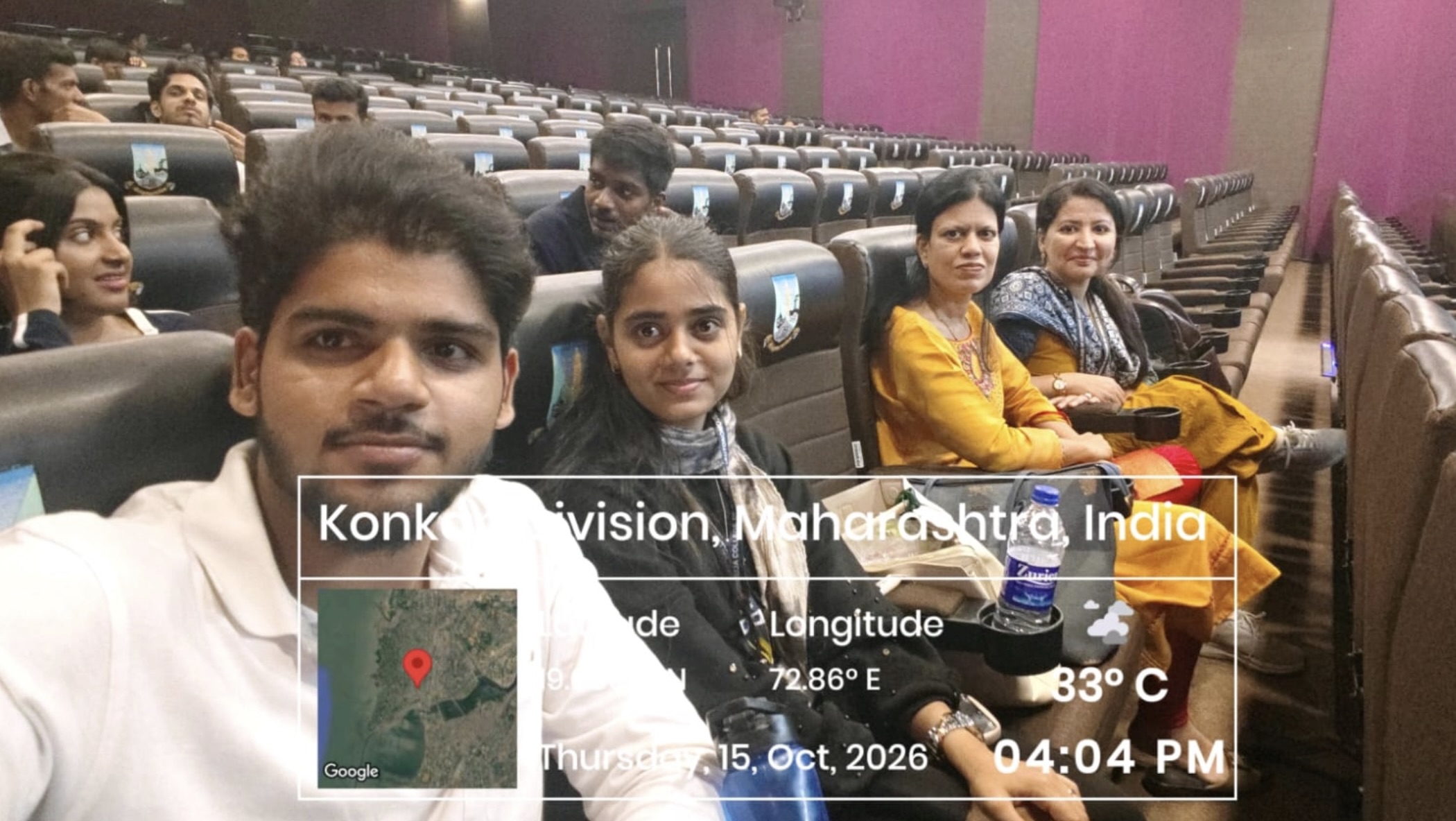
Hinduja College was represented by Dr. Gayatri Agarwal and Dr. Shehnaaz Nazkani, along with two members of our Students’ Council. Having students themselves at the table was a deliberate choice. When a policy affects student life directly, those living it should be part of the discussion.
A Little History
College elections in Maharashtra stopped around the early 1990s after concerns over violence and political interference. A 2018 attempt to bring them back did not succeed. This time, the committee is revising the rules in line with NEP 2020, aiming for elections that teach democratic values, carry student concerns to the administration, stay short, use technology where suitable and keep divisions and party politics out.
Where Views Came Together
Many participants agreed on the need for eligibility safeguards. Suggestions included minimum attendance, no pending ATKT, a clean record and an age of 18 or above, with some favouring senior students over first-year students, many of whom are still under 18. There was also support for reserved council nominations for areas such as NSS, NCC, Sports, Cultural activities and DLLE.
Where Views Differed
The discussion was lively where opinions split. On selecting representatives, many principals leaned toward merit-based selection or a collegium ranked by marks, attendance and activities. Some students argued for every student’s right to vote and against judging candidates on marks alone.
Political involvement drew two distinct views. One favoured keeping parties out entirely, with candidates declaring no political links. The other held that politics cannot be separated from campus life and called for a strict code of conduct with clear accountability. On voting, proposals ranged from online and blockchain systems to paper ballots only, because of concerns over tampering.
Practical Ideas for Fair Polls
Several practical suggestions stood out: completing polling in a single day with immediate results, protecting the 90 mandatory teaching days per term, having a teacher from another college observe polling and creating an anonymous online portal for complaints. Participants also suggested orienting students on the purpose of the council and offering candidates a short political-literacy course.
What Happens Next
The committee will combine these suggestions with those from other universities and consult parents before submitting its report to the government. The Chair asked for specific, actionable suggestions rather than speeches, and closed with a call for honest, transparent elections that keep the student at the centre.
Why We Showed Up
Whatever shape the final rules take, students stand to benefit most from a system that is fair and well designed. By taking part, Hinduja College hopes to contribute constructively to a conversation that will shape student life across the state.
Want to know more about student life at Hinduja College? Visit Hinduja College to see what’s next.